"We introduced an AI Agent, but the results weren't what we expected." "In the end, nobody in the field kept using it." We're hearing these comments more and more often.
AI technology itself is evolving extremely fast, and what it can do keeps expanding every day. But whether an actual adoption project succeeds isn't determined by technical performance alone. More often than not, the cause lies in the order in which the project proceeds and what gets confirmed along the way.
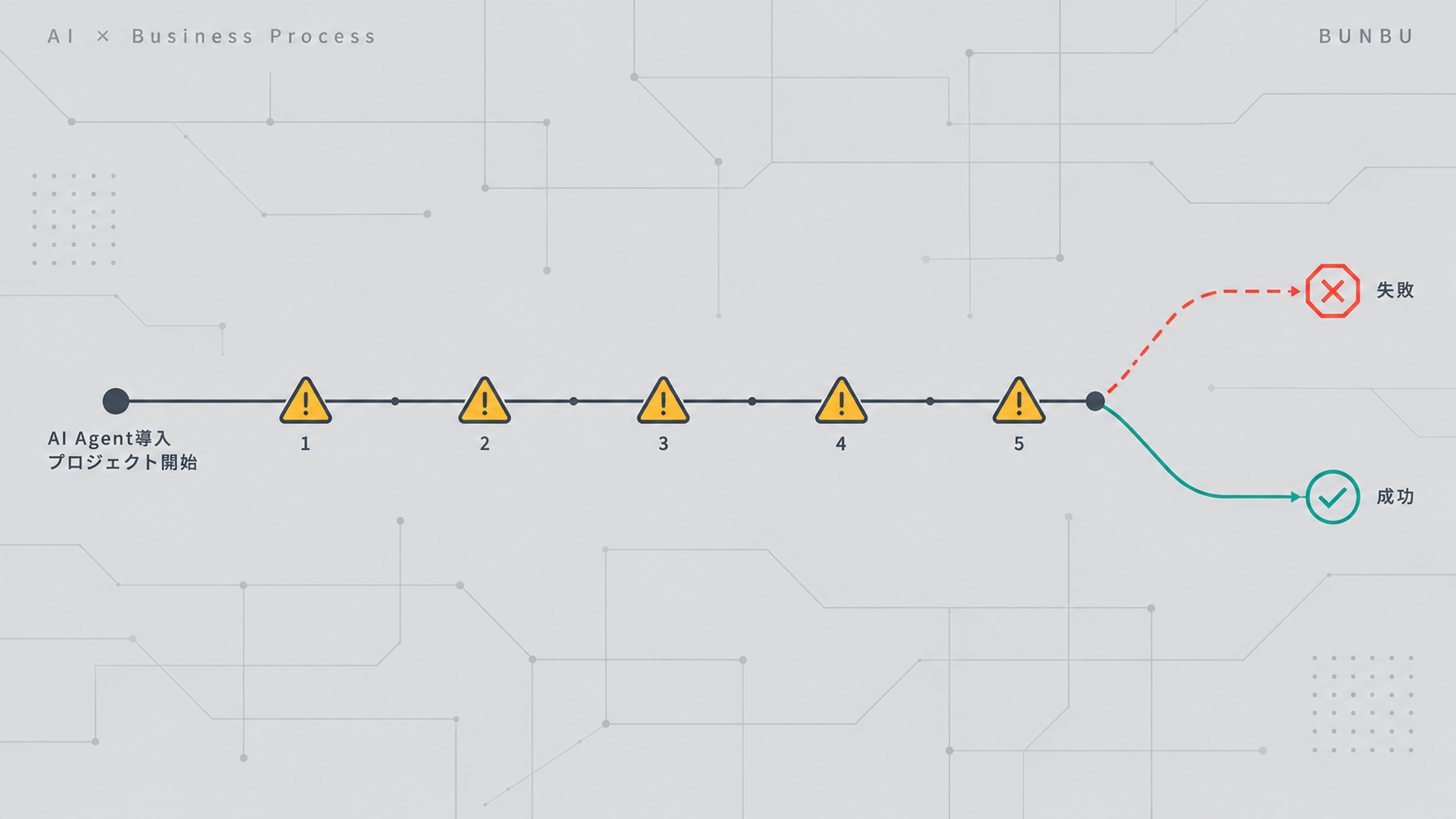
This article organizes five failure patterns commonly seen in AI Agent adoption, and how to avoid each one.
Pattern 1. Starting from the technology, not the problem
The most common entry point to failure is starting the discussion from "what can AI do".
When a project starts from "let's automate something using this trending AI Agent," it may be technically achievable, but it tends to drift away from what the field actually needs. The result: "we built it, but nobody uses it," or "it only fits a narrow slice of the work."
The real starting point isn't the technology — it's the burden and anxiety people feel on the ground. Which tasks take the most time, where mistakes tend to happen, what staff worry about while doing their work — only by working backward from these do meaningful automation targets come into view.
Pattern 2. Blurry boundaries for what gets automated
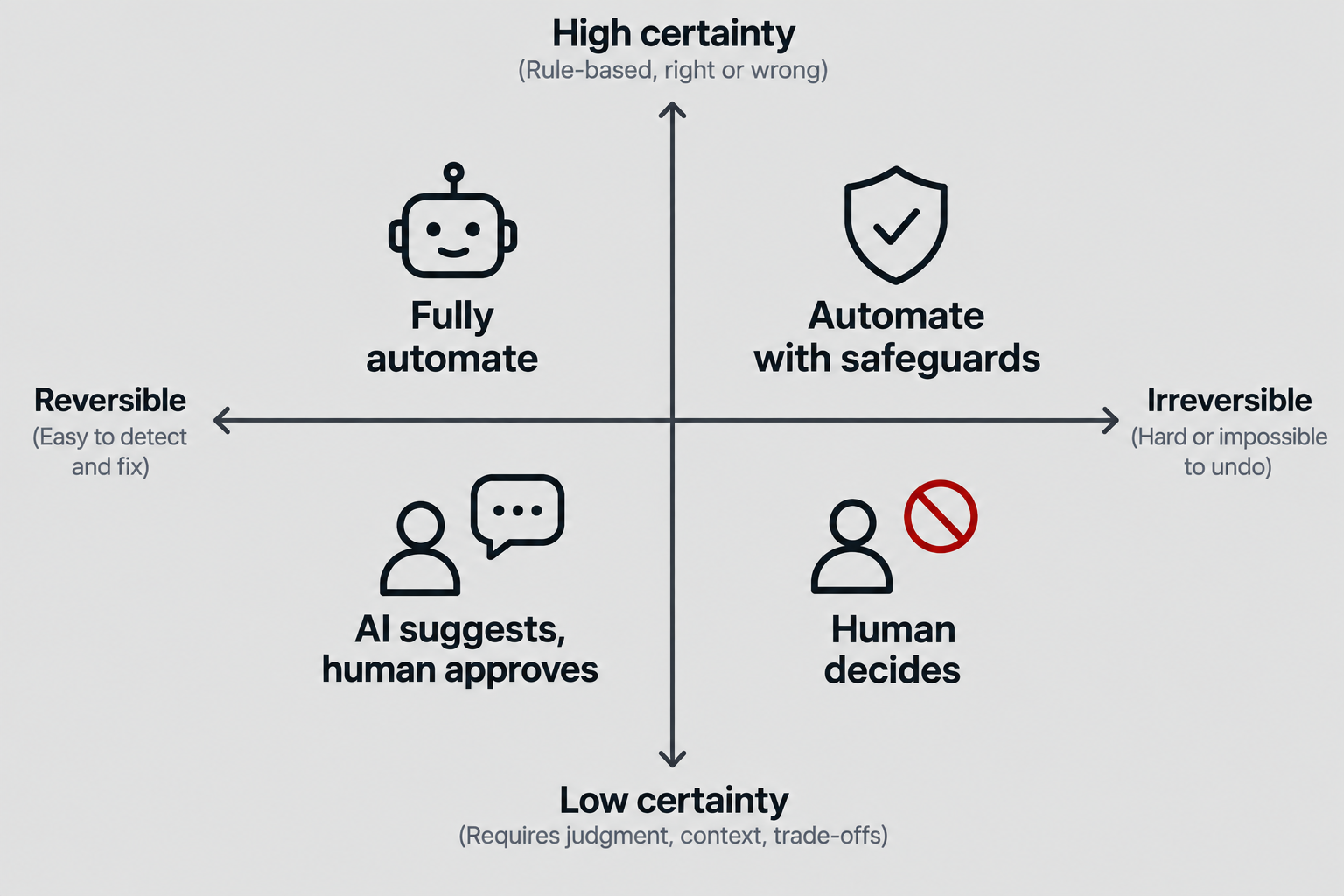
The second pattern is moving into implementation without clearly defining how far AI should go, and where human judgment must take over.
Technically, it's possible to hand over almost all decisions to AI. But things like finalizing amounts, changes with major impact on customers, or anything involving business judgment should ultimately remain a human decision. If this boundary stays vague and the AI Agent starts making judgment calls that merely look plausible, it eventually leads to "why did the AI change this on its own?" incidents — and trust on the ground collapses fast.
Defining the automation boundary isn't something to sort out once implementation has already started — it's the most important step to agree on with the business side during requirements definition.
Pattern 3. Pushing security design to later
The third pattern is deferring the design of safety measures — permission management, audit logs — until after implementation.
"Let's get something working first, and add the permissions layer later" looks fast at first glance, but in practice it creates plenty of problems. States where anyone can execute critical operations, or where nobody can trace what changed afterward, become serious risks precisely because an AI Agent acts autonomously.
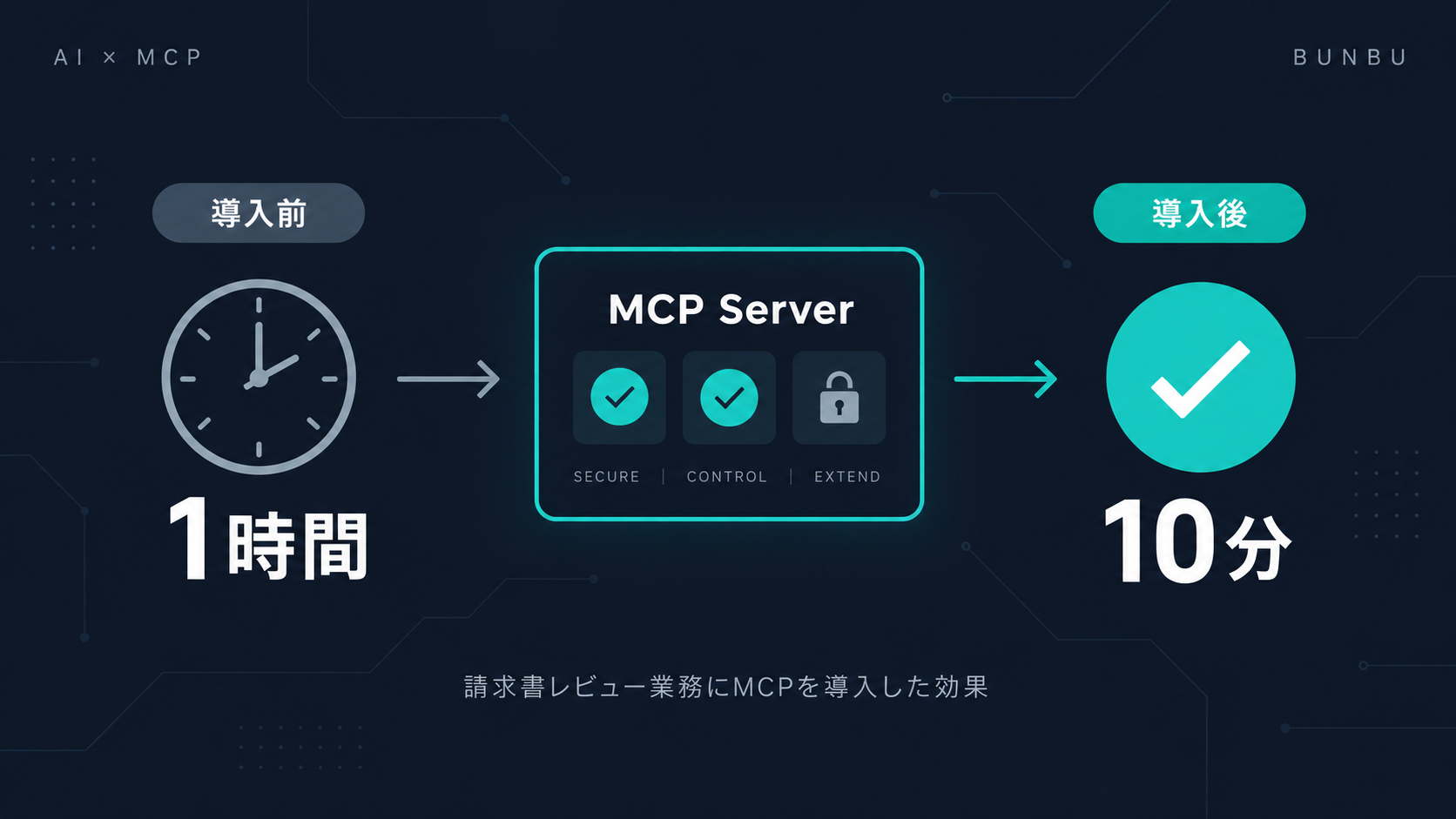
Safety can't be guaranteed just by asking the AI, in its instructions, to "please not do X." Which roles can execute which operations, how to restrict actions that are hard to undo, how to record a change history — these need to be designed as system-level constraints from the very first stage of implementation.
Pattern 4. Rolling out company-wide right away
The fourth pattern is skipping a PoC (proof of concept) or small-scale trial and rolling out to the entire company and all workflows immediately.
No matter how carefully something is designed, real-world operations always contain exceptions and irregular cases nobody anticipated. If the rollout goes wide before being tested on a small scale, these exceptions surface all at once across the field, causing confusion and heavy rework. In the worst case, "AI Agents don't work" becomes the entrenched view on the ground, and it becomes very hard to rebuild trust even after later improvements.
It's important to first run a PoC on a limited scope and set of tasks, confirm both effectiveness and safety, and then expand the target scope in stages.
Pattern 5. Not designing for operations after go-live
The fifth pattern is treating the rollout itself as the goal, without designing the operating structure for after go-live.
Business operations keep changing after rollout. New trading partners appear, rules change, new exceptions emerge — if the AI Agent's rules and tools aren't kept updated to match these changes, they gradually drift from reality on the ground and eventually stop being used.
Rather than treating rollout as "done," it's necessary to design, from the very start, a mechanism for continuously collecting feedback from the field and improving the rules and tools as part of the adoption project itself.
Summary
What all five patterns share in common is treating AI Agent adoption as a "technology project."
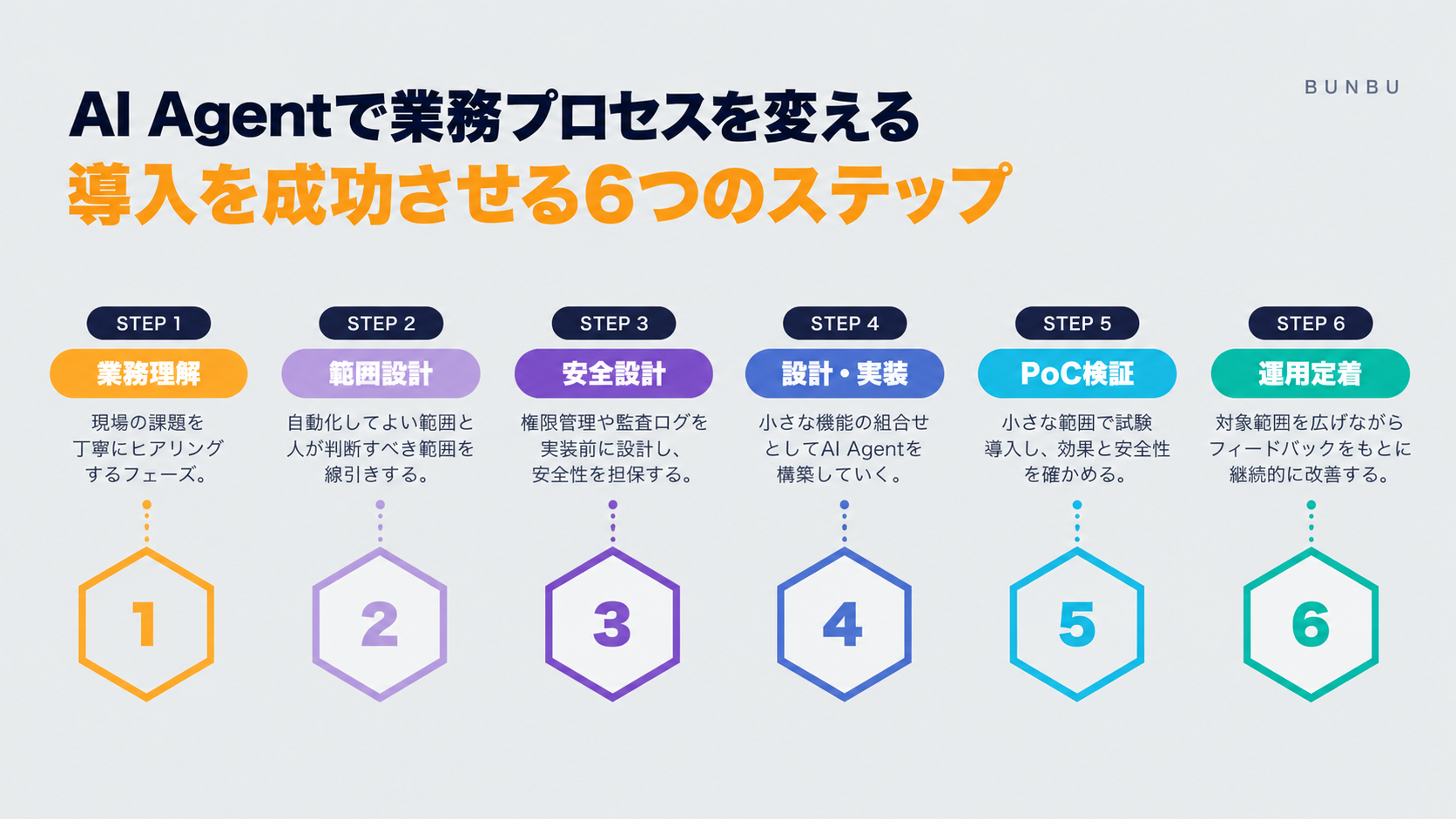
In reality, AI Agent adoption is, more than a technology project, a project to rethink how the work itself gets done. Understanding the problems on the ground, defining the automation boundary, designing for safety, running a small-scale validation, and then operating after go-live — following this order is what separates adoption efforts that deliver results from those that don't.
At Bunbu, we support the full journey end to end — from understanding the business to embedding stable operations — while helping avoid these failure patterns. Even if you're only at the stage of "we're considering an AI Agent but don't know where to start," feel free to reach out.