In our previous article, we introduced how Bunbu built an AI Agent into its invoice review process using MCP (Model Context Protocol). This time, we look back at what actually changed after putting it into practice.
I. Before: an entire hour, from checking to sending
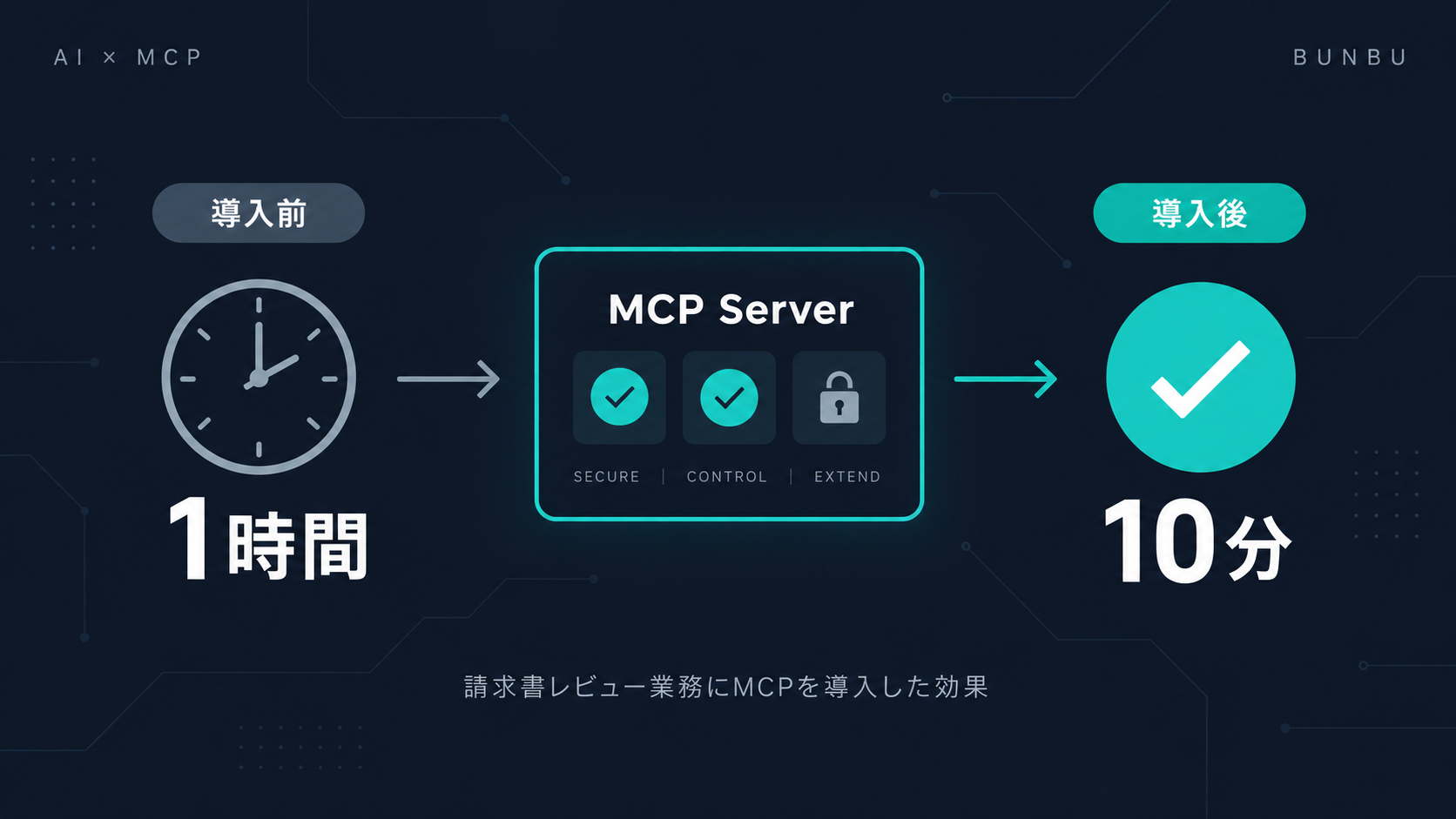
Before adopting this, the whole sequence of work at month-end — from reviewing invoices to sending them to customers — took about an hour. Checking invoice numbers, dates, exchange rates, VAT, line-item wording, and more, one invoice at a time, by eye; fixing anything that was off; and finally generating the PDF and sending it — the entire flow was done manually.
Looking at the number alone, it might seem like "just routine office work." But from the perspective of the person actually doing it, the real issue wasn't the time itself.
"Even after checking, I could never be fully confident I'd caught everything."
That was the biggest source of stress before adoption. Manual, visual checks depend on concentration, and the work is naturally uneven from month to month or person to person.
II. After: checking and fixing in 5 minutes, prep for sending in another 5
After adopting the MCP Server, the month-end invoice review process now looks like this:
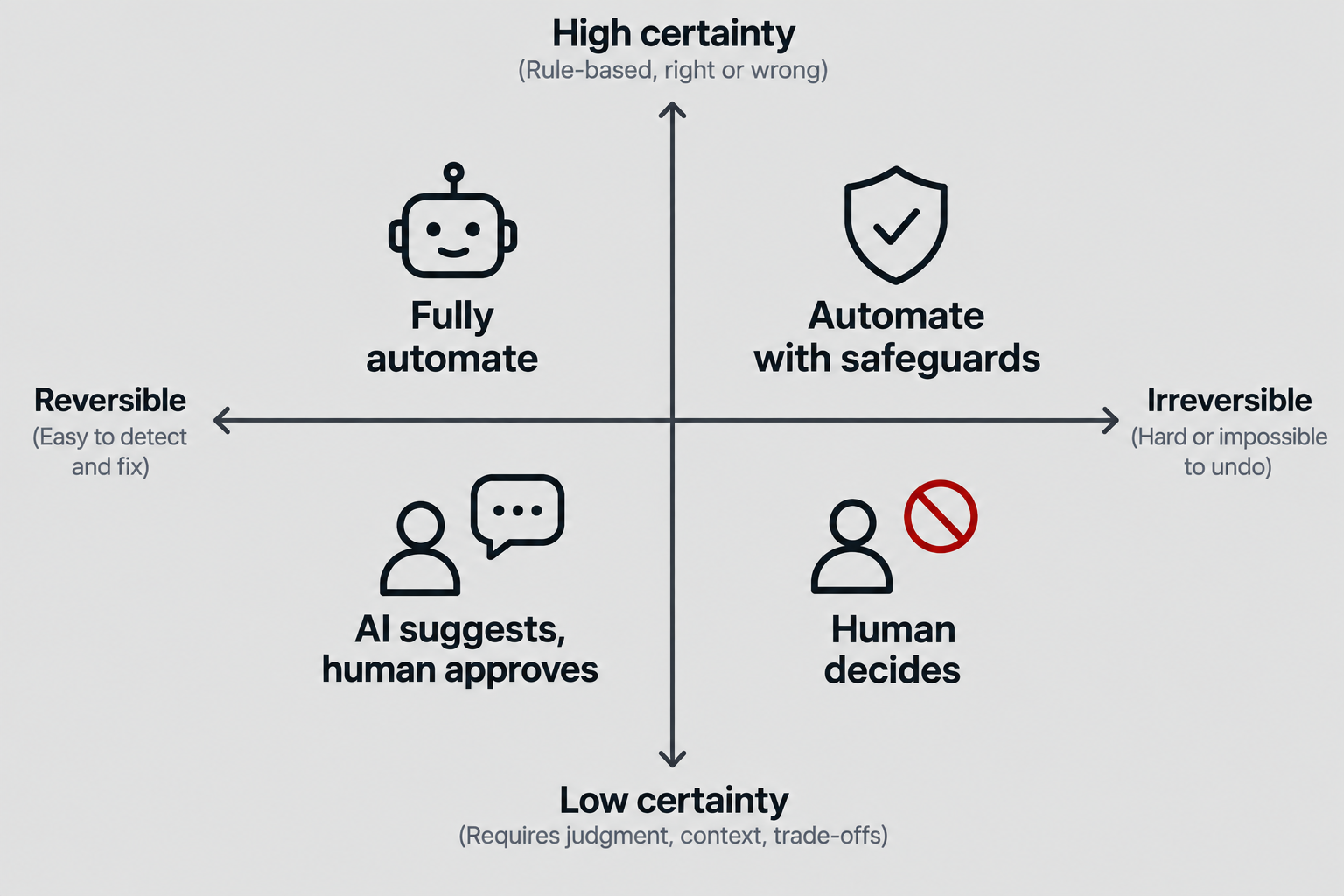
- Checking and fixing: about 5 minutes — an AI Agent surfaces all of that month's invoices, checks them against the rules, and automatically fixes any mechanically-certain errors. Items that require judgment (such as which exchange rate to use, or specific wording) get listed out explicitly, so all that's left is for a person to review and give instructions.
- Prep for sending: about 5 minutes — once an invoice has been reviewed and cleaned up, the AI Agent can now handle generating and stamping the PDF, so all that remains is a final human check before sending to the customer (the actual sending is still done by a person, just as before).
All together, the roughly one-hour task now takes about 10 minutes.
III. The bigger change wasn't speed
More than the time savings, what mattered most in day-to-day operation was the change in confidence.
- The same rules are applied mechanically, without exception, every single time
- Only mechanically-certain errors get auto-fixed; anything requiring judgment is listed out explicitly
- An audit log records what was changed on which invoice, when, and under whose authority
In other words, more than "it got faster," what mattered was gaining the confidence that "it's checked the same way, without exception, every time." In actual day-to-day operation, that was the biggest change.
* The figures here are based on Bunbu's own internal experience and measurements, and don't represent general statistics or another company's results. The actual impact will vary depending on workload and how it's operated.
IV. Summary: time savings are a result, not the goal
The biggest lesson from this project was that the time savings were a result, not the goal.
What we were aiming for wasn't "finish faster" — it was "apply a fixed set of rules, consistently, without exception, every time." The time savings followed as a result of that.
At Bunbu, we're carving out parts of internal operations like this into MCP Servers and safely handing them over to an AI Agent within a well-defined scope, as a way to raise both speed and accuracy at once.