More and more companies want to bring AI Agents into their operations, but it's often unclear exactly how to go about it.
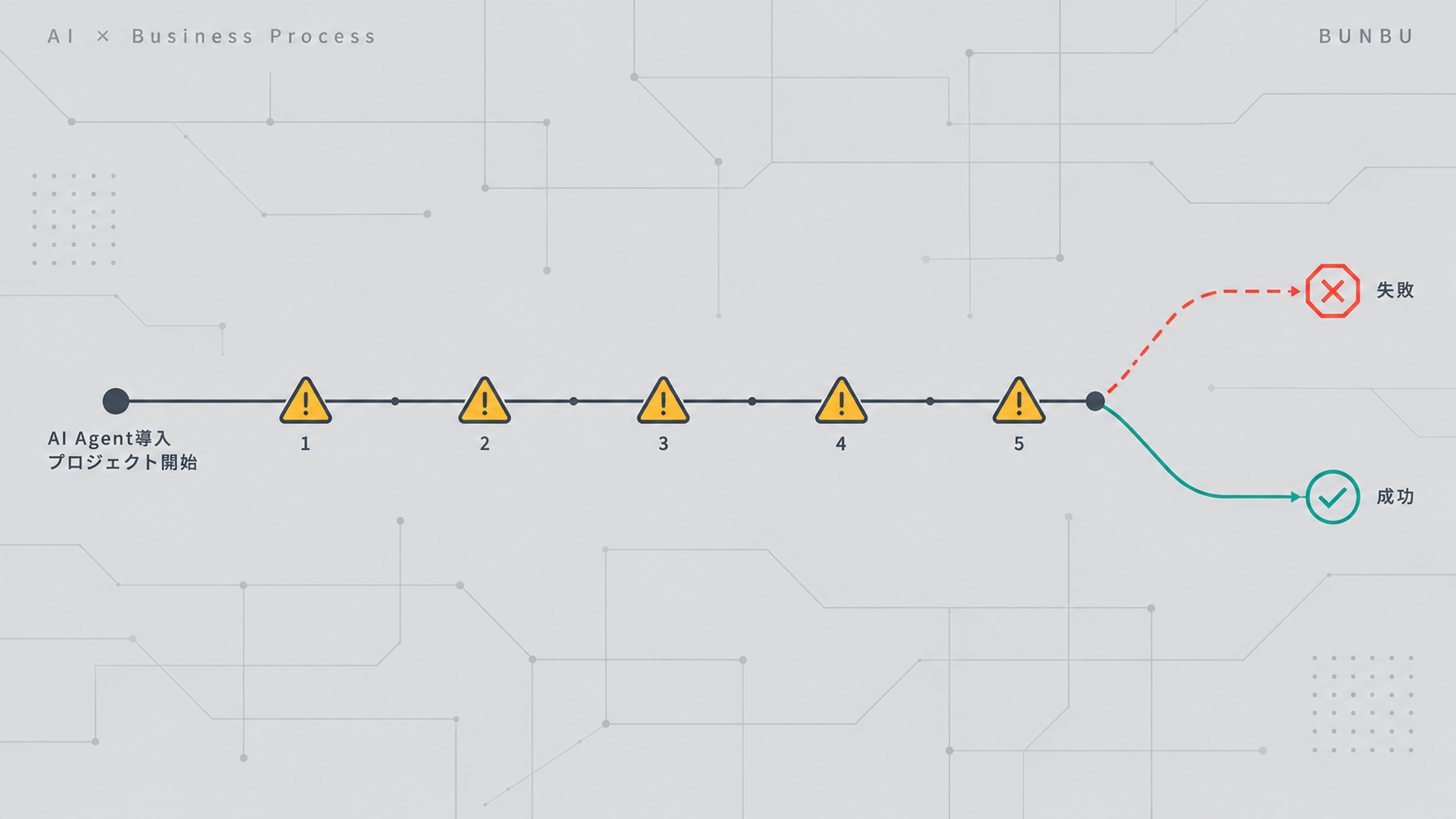
AI Agent technology itself keeps evolving every day, but whether an adoption project succeeds isn't determined by technical performance alone. The order in which you proceed, and what you confirm along the way, has a major impact on the outcome.
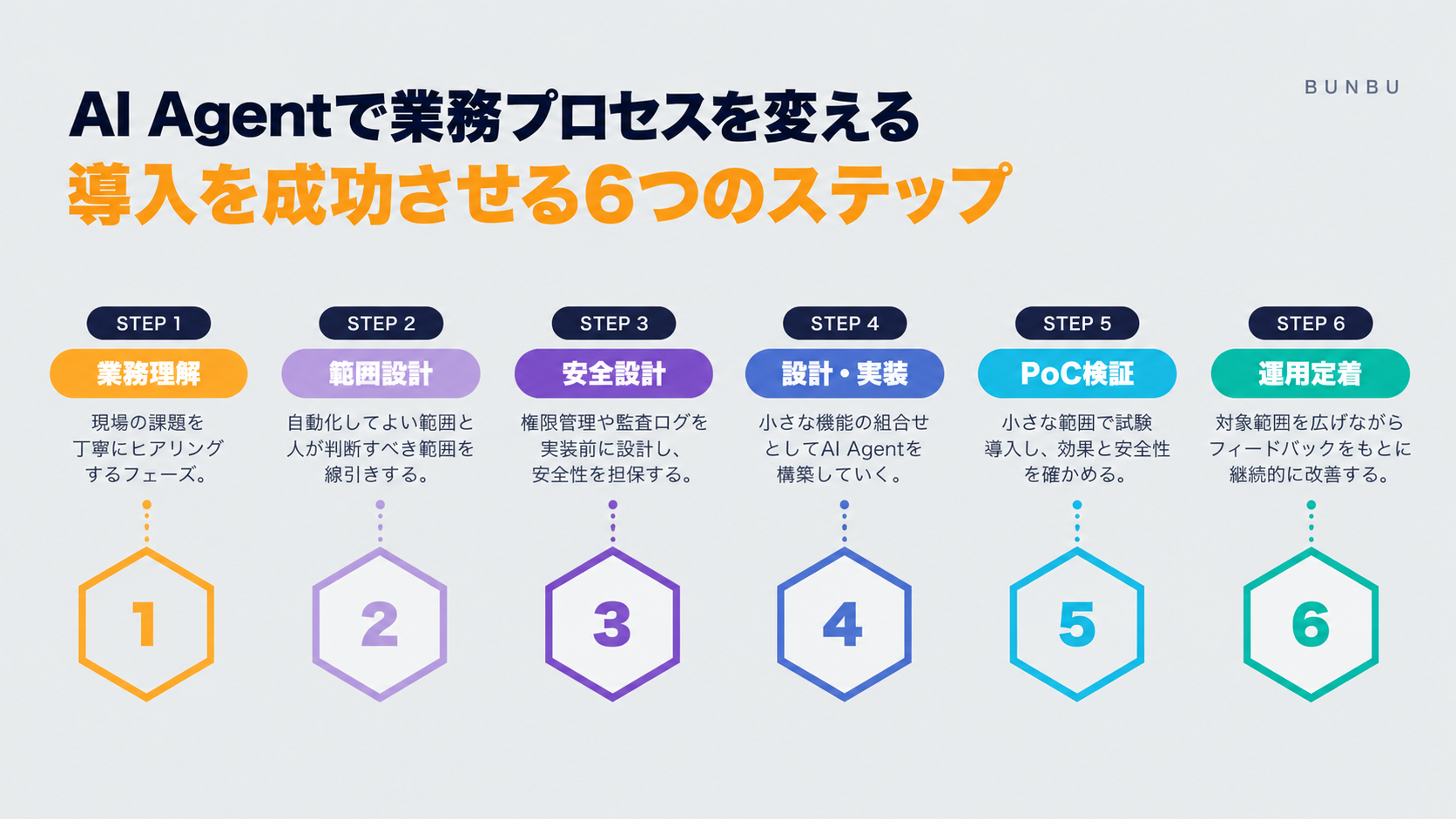
This article walks through the six steps worth knowing when bringing an AI Agent into your operations, from concept to embedding it into daily work, illustrated with a diagram.
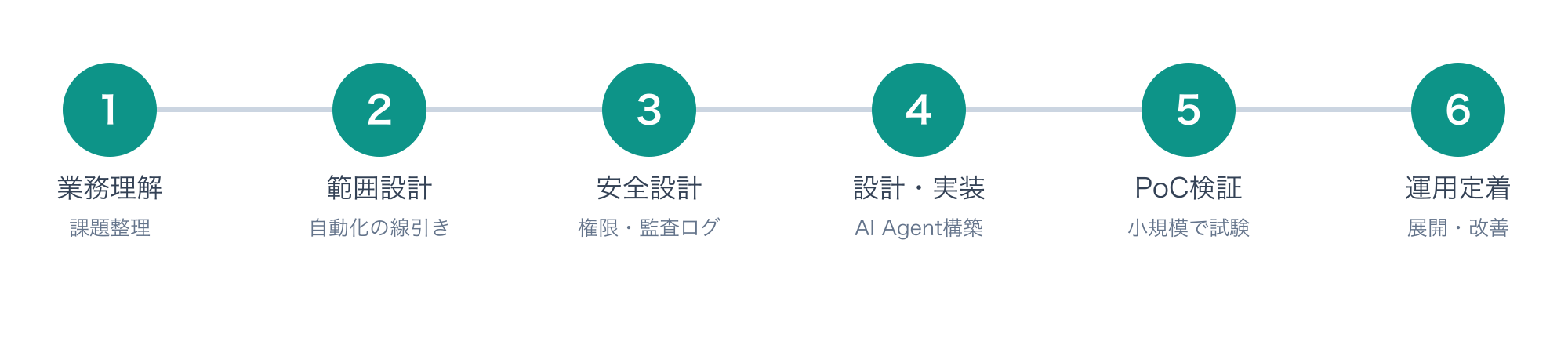
Step 1. Understand the business and clarify the problem
The first step, before any talk of AI or tools, is to carefully understand the actual work on the ground.
Concretely, this means confirming things like:
- How the work is actually carried out, step by step
- Where mistakes or hesitation tend to happen
- How much time the work actually takes
- How much is governed by clear rules, and how much depends on the staff's own experience and judgment
What matters here is starting from "where is the burden or anxiety right now," not from "what can AI do." Starting from the technology tends to produce automation that drifts from what the business actually needs.
Step 2. Define the automation scope
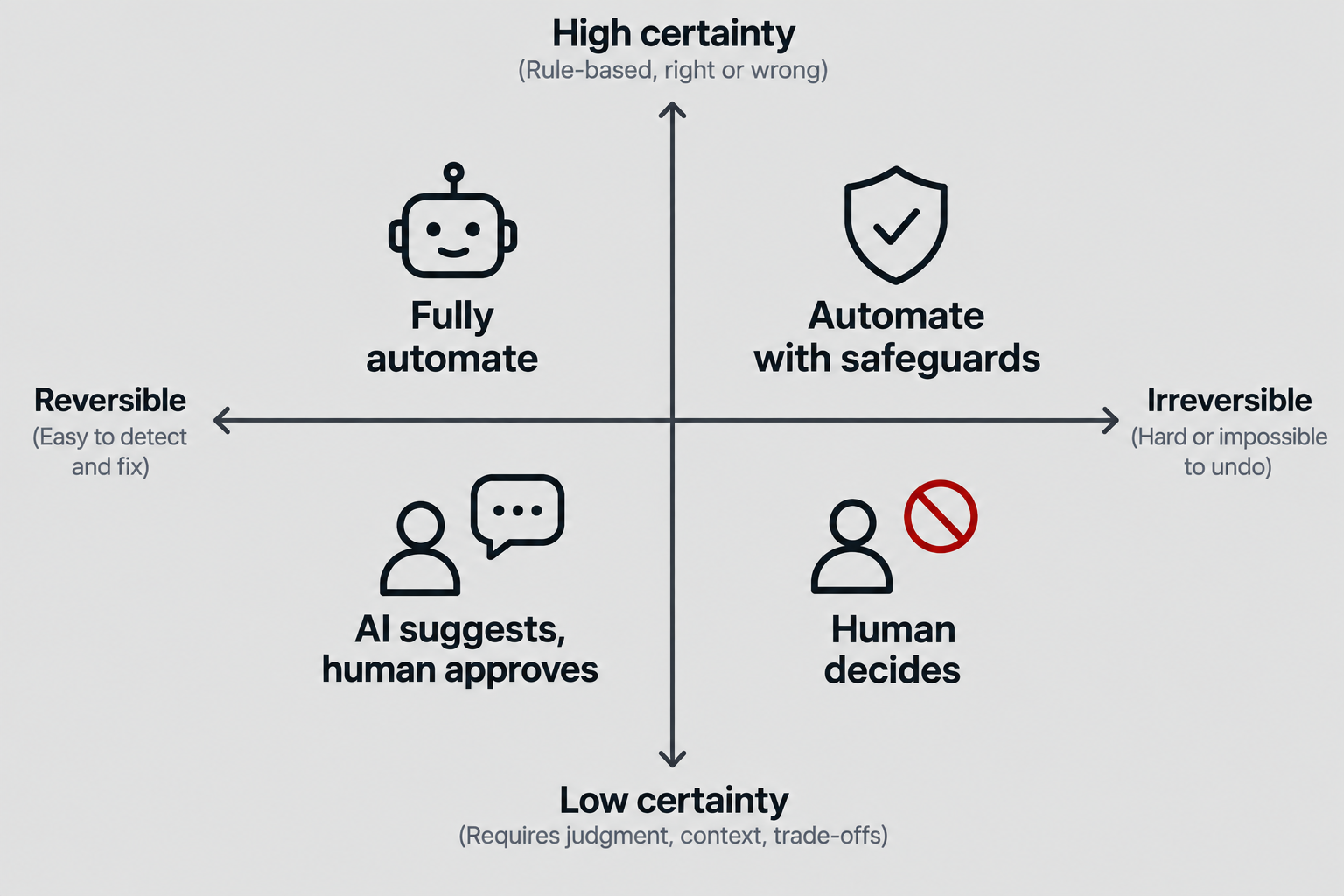
Once the problems are clear, the next step is drawing the line between what gets automated and where human judgment takes over.
In general, this can be organized as follows:
- Areas safe to automate — items that can be judged and processed mechanically based on clear rules
- Areas where human judgment must remain — items involving business judgment, contextual understanding, or changes with major impact on customers
Leaving this boundary vague when implementation starts leads later to trouble like "why did the AI change this on its own?" It's the most important step to agree on with the business side before diving into the technical work.
Step 3. Design for security and permissions
Once the automation scope is set, design for safety before implementation begins. This shouldn't be an afterthought — it needs to be designed first.
Concretely, this includes designing things like:
- Which roles (positions/permissions) can perform which operations
- What restrictions apply to hard-to-undo operations (e.g., only allowing changes to data in a specific status)
- A mechanism for logging who changed what, and when
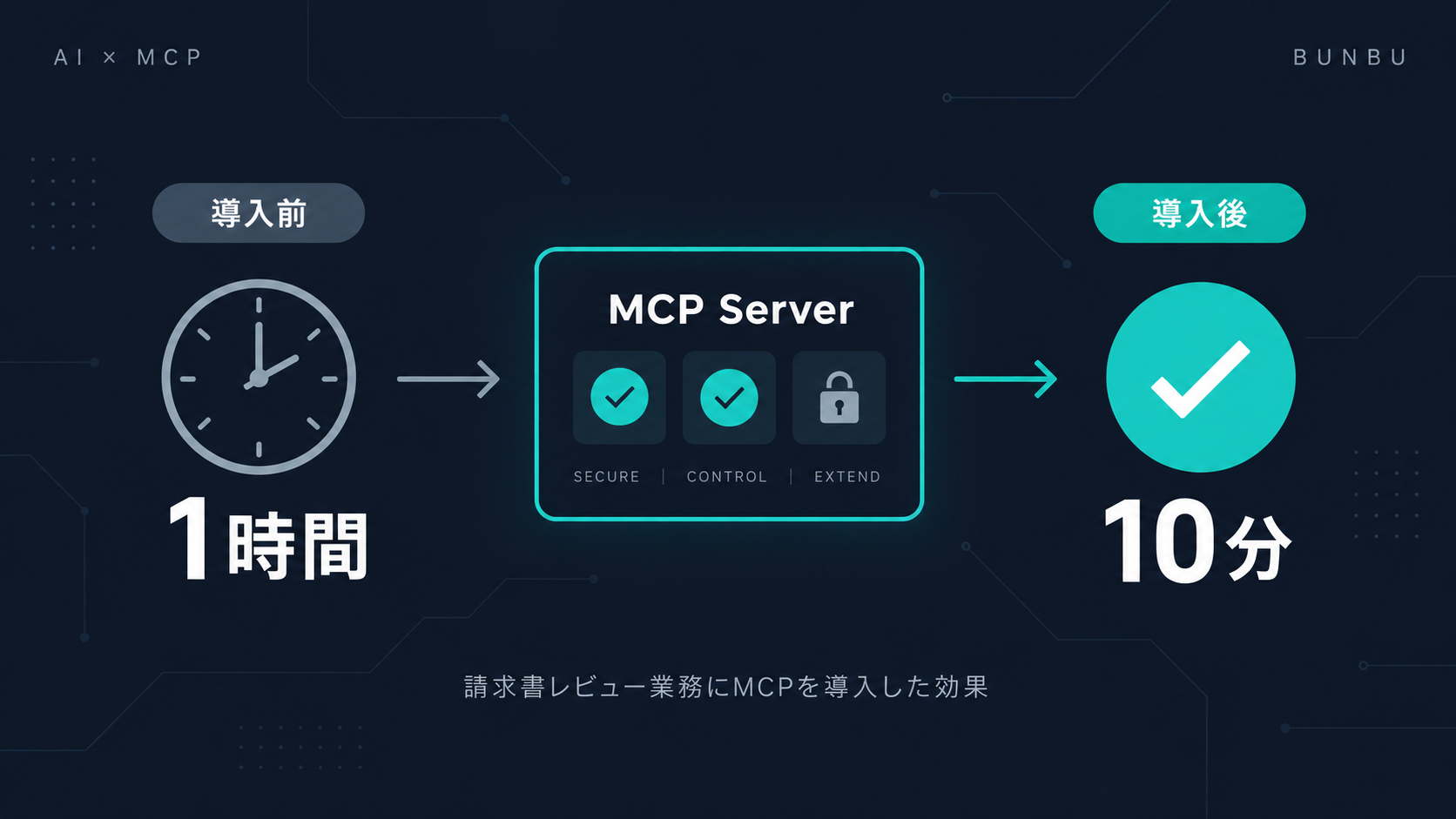
AI safety can't be guaranteed through prompt instructions alone. It needs to be built in as a system-level constraint.
Step 4. Design and build
Based on everything designed so far, you now actually build the AI Agent. The key point is designing it as a combination of small functions, rather than one large monolithic process.
For example, break the work down into units like data retrieval, checking, updating, and output, and give each one its own scope and required permissions. This keeps it constantly clear what the AI Agent can do, and how far.
Step 5. Validate with a PoC
Once implementation is done, don't roll it out to every workflow at once — run a PoC (proof of concept) on a small scope first and verify the actual impact.
In the PoC, check the effect from angles such as:
- How much working time was reduced
- Whether accuracy and consistency of the checks improved
- Whether missed items or mistakes decreased
The PoC isn't only about proving success. Discovering exceptions or additional rules you hadn't anticipated is just as important.
Step 6. Roll out and embed into operations
Once the PoC confirms both effectiveness and safety, gradually expand the scope and embed it into everyday operations.
At this stage, focus on things like:
- Sharing how to use it and training the staff who will actually use it
- Collecting feedback on questions and edge cases that come up after go-live
- Continuously improving the rules and functions based on that feedback
An AI Agent isn't something you build once and leave alone — it needs to keep evolving as the business changes. Only by designing the operating structure after go-live does it become "a system that keeps getting used."
Summary
When people talk about adopting AI, the conversation tends to start with "which AI model should we use" or "what technology should we implement with." But adoption efforts that actually deliver results follow a different order: starting with understanding the business, then defining the automation boundary, then designing for safety — and only then moving into implementation.
Treating AI Agent adoption as "rethinking the business process" rather than "introducing a piece of technology" — that's the first step toward an adoption that actually delivers results.